Diagnostic instruments
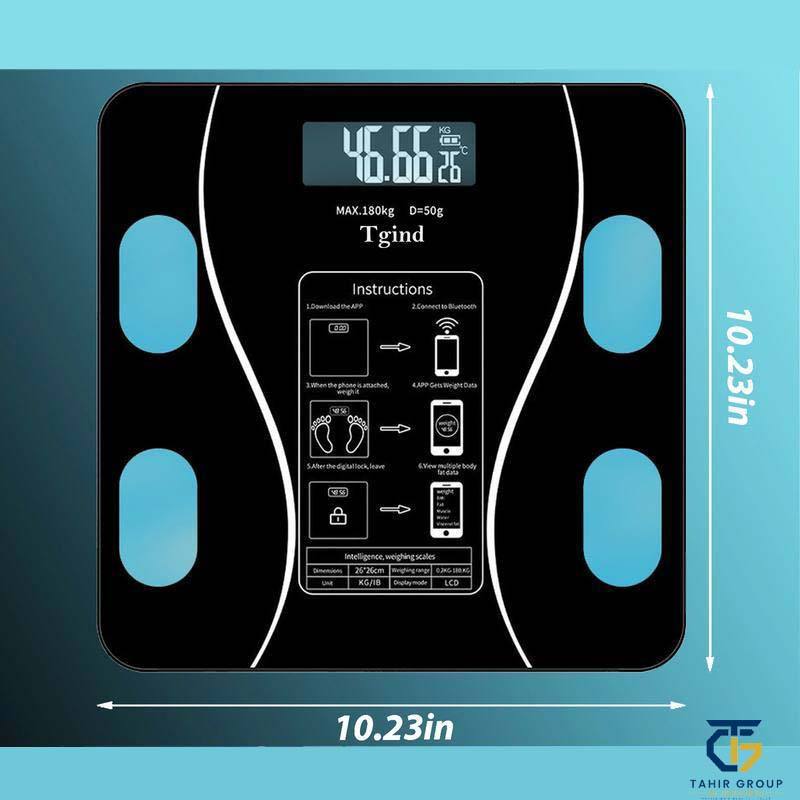
Digital Weight Scale
Web referenceTGI-C-B9D7EC51Quote this to us. It identifies this page, not a factory part number.
Sizes TGI publishes26*26cm · 10.23in Printed on TGI's own catalogue photograph of this article.
Also printed on the photographMAX.180kg · D=50g · LCD Printed on TGI's own catalogue photograph of this article.
Also called Physician Scale · Patient Scale · Platform Scale
Reads body weight on a digital display rather than a spring dial or a balance beam.
A weighing scale is a general clinical instrument used to measure a patient's body weight. The trade sells it in four classes. A column scale stands on a platform base with a vertical column carrying the reading at eye height, either a mechanical beam and sliding poise or a digital display, and often a sliding height rod on the same frame. A flat platform scale has no column and sits low, sized for a wheelchair, a stretcher or a bariatric patient. A chair scale builds a seat or a wheelchair ramp onto the weighing platform for a patient who cannot stand, with a tare function to subtract the chair's own weight. A baby scale replaces the standing platform with a shallow tray. Underneath, a scale reads the load either mechanically, through a lever and dial or a balance beam, or electronically, through a load cell. A scale sold for weighing a patient is normally verified against the non automatic weighing instrument rules, where OIML R 76 and EN 45501 set accuracy class III as the class used for clinical weighing.
Minimum order150 pcsThe minimum for diagnostic instruments. Mixed orders are quoted against your list.
MaterialTempered glass and plastic
Lead timeInstruments ~2-3 weeks · full sets ~4-6 weeks after advance.
How it is built
- Column scale: a flat platform base and a vertical column carrying a mechanical beam and sliding poise, or a digital display, at eye height
- Flat platform scale: a low platform with no column, sized for a wheelchair, a stretcher or a bariatric patient
- Chair scale: a seat or a wheelchair ramp built onto the weighing platform, with a tare function for the chair's own weight
- Baby scale: a shallow tray with raised sides in place of a standing platform
- Mechanical mechanism: a lever and dial, or a sliding beam and poise, read off a printed face
- Electronic mechanism: a load cell driving a numeric display
- Height rod, sliding or telescopic, carried on the same frame by many column scales
PatternsColumn scale, mechanical beam and poise · Column scale, digital display · Flat platform scale, including high capacity versions · Chair or wheelchair scale · Baby or infant tray scale
The standard sizes this kind of instrument is made in
Column scale capacity: about 200 kg to 250 kg published across catalogs · Column scale graduation: 50 g to 100 g published · Height rod on a column scale: ranges of about 60 cm to 200 cm and of 122 cm to 230 cm are both published · Flat platform and high capacity scale: about 270 kg to 450 kg published · Chair or wheelchair scale: up to about 450 kg published, with a hold function that subtracts the chair's weight · Baby scale: about 20 kg capacity published, graduation 5 g, stepping to 10 g above 10 kg on some models · Accuracy class III under OIML R 76 and EN 45501 is the class used for clinical weighing, defined as 100 to 10,000 verification scale intervals
These are the sizes the pattern is manufactured in across the trade. They are not a stock list. Tell us the size you need and we will quote against it.
This describes the article. The material it is made of is printed above; it is not offered in the four steel lines.
True of every order
Instruments are marked to the buyer's requirement (TGI, unmarked, or the buyer's own brand), agreed on the order.
Customized packaging is part of what TGI supplies. Your own printed boxes, your labels, your brand on the pack, or plain export packing, whichever your market needs. The packing for your order is agreed with you and confirmed on the order.
Manufactured under the quality management system covered by TGI's ISO 9001:2015 and ISO 13485:2016 certificates. Certificate numbers and the issuer's registry are on the certification page. Open the certificates
Every batch of steel is ordered to a specified grade and arrives with the mill's own certificate, which identifies the mill and states the grade. TGI checks the material at the factory against its own requirement before it goes into production. That check is TGI's own inspection, not an independent laboratory test.
TGI manufactures in its own factory in Sialkot and also supplies articles made by contracted partner workshops, to TGI's specification. Which applies to a given article is confirmed on your order.
One-year guarantee on Premium and Executive tier instruments, hollowware and sterilization containers: any technical manufacturing defect, including material faults and rust, is replaced free of charge. Damage from handling or accidents is not covered. The year runs from the day the goods leave Sialkot.
If something is wrong with a delivery (a manufacturing defect, or a short or wrong article), tell us on WhatsApp within 7 days of delivery, with a video and photographs of what arrived. Replacement instruments are sent free of charge and dispatched within 24 hours of us seeing them; you pay the shipping, and they reach you as a normal order does.
Damage that happened after the goods left Sialkot is a claim against your carrier. The video of your parcel at the shipping office is sent to you before shipment and is the evidence that claim needs.